A garden should be somewhere you use, not another weekend job waiting outside the back door. The best low upkeep garden surfaces reduce weeding, muddy patches and slippery areas while giving your home a tidy, finished look all year round. For homes across Edinburgh, the Lothians and the Central Belt, the right choice also needs to cope with regular rain, frost and shade.
Low maintenance does not mean no maintenance at all. Every surface benefits from occasional cleaning, sound preparation and proper drainage. The difference is choosing materials that do not need mowing, frequent treating, constant re-levelling or a battle with weeds every few weeks.
What makes a garden surface low upkeep?
The surface itself matters, but the installation beneath it matters just as much. A high-quality patio can become troublesome if the base is poorly compacted, water has nowhere to drain, or joints have been left open for weeds to take hold. Equally, a simple gravel path can become a nuisance if it is laid without edging and a suitable weed-control membrane.
For a genuinely practical garden, look for a surface that is hard-wearing, drains or channels water effectively, suits the way you use the space, and can be cleaned without specialist effort. Families may prioritise a safe play area and a patio for outdoor meals. A compact city garden may need to make the most of every square metre. In either case, reducing the number of awkward, high-maintenance areas usually produces the best long-term result.
Best low upkeep garden surfaces to consider
Porcelain paving for a clean, modern patio
Porcelain paving is one of the strongest options for homeowners who want a smart, contemporary patio with minimal day-to-day care. The slabs are dense and non-porous, so they are highly resistant to staining, moisture absorption and colour fade. Spilt food, muddy footprints and ordinary garden grime are generally easy to remove with a brush and mild cleaner.
It also offers a broad choice of stone, concrete and timber-effect finishes without the regular sealing that many natural materials require. Textured outdoor porcelain provides better grip, which is particularly useful on exposed Scottish patios where rain is a regular consideration.
The trade-off is that porcelain must be installed accurately on a properly prepared base. It is not a material to lay over an uneven or failing existing patio. Professional cutting, suitable adhesive and correctly formed falls are essential to prevent standing water and achieve a crisp finish.
Indian sandstone for natural character
Indian sandstone remains a popular choice because it brings warmth, variation and character that manufactured paving cannot fully copy. Each slab has its own blend of tones and markings, making it particularly effective for traditional properties and gardens where a softer, more natural finish is preferred.
It needs more care than porcelain, but it is still a sensible low-upkeep option when installed well. An occasional wash and periodic check of the joints will keep it looking good. Sealing can help limit staining and make cleaning easier, although the right product and application are important, as an unsuitable sealant can alter the stone’s appearance or trap moisture.
Choose sandstone if visual character is more important than having the absolute minimum maintenance. A durable natural stone patio can add real appeal to a home, but it should be laid with drainage, secure edging and an appropriate jointing system from the outset.
Artificial grass for an always-tidy lawn area
Artificial grass removes the jobs many homeowners are most keen to avoid: mowing, feeding, watering, edging and repairing worn turf. It can be especially useful in small gardens, shaded corners and areas that receive heavy use from children or pets. A well-installed artificial lawn stays green through wet winters and dry spells, without turning into mud.
It is not entirely maintenance-free. Leaves, soil and pet debris should be cleared, and the pile may need brushing occasionally to keep it upright. Good drainage is vital, particularly on clay-heavy ground or gardens where water naturally sits after rain. The base should be constructed to allow water through and away rather than simply covering a damp problem.
Artificial grass works best when it is used as part of a balanced design. Pairing it with paving, decorative borders or a timber seating area avoids the overly uniform look that can come from covering every inch of a garden in one material.
Gravel for flexible, cost-conscious coverage
Gravel is a practical surface for paths, side passages, seating zones and informal garden areas. It is generally more cost-effective than paving, drains well when correctly laid, and comes in colours that can complement brickwork, fencing and stone features.
For low upkeep, angular gravel is usually better than rounded stones because it locks together underfoot. A firm sub-base, quality membrane and strong edging are the details that prevent gravel spreading into lawns and borders. Without them, it can migrate, thin out and allow weeds to establish.
Gravel is less suitable for areas where pushchairs, wheelchairs or garden furniture need a perfectly stable surface. It can also be awkward to clear leaves from in autumn. However, for a well-defined path or drainage-friendly feature area, it offers good value and a naturally tidy appearance.
Resin-bound surfacing for smooth access
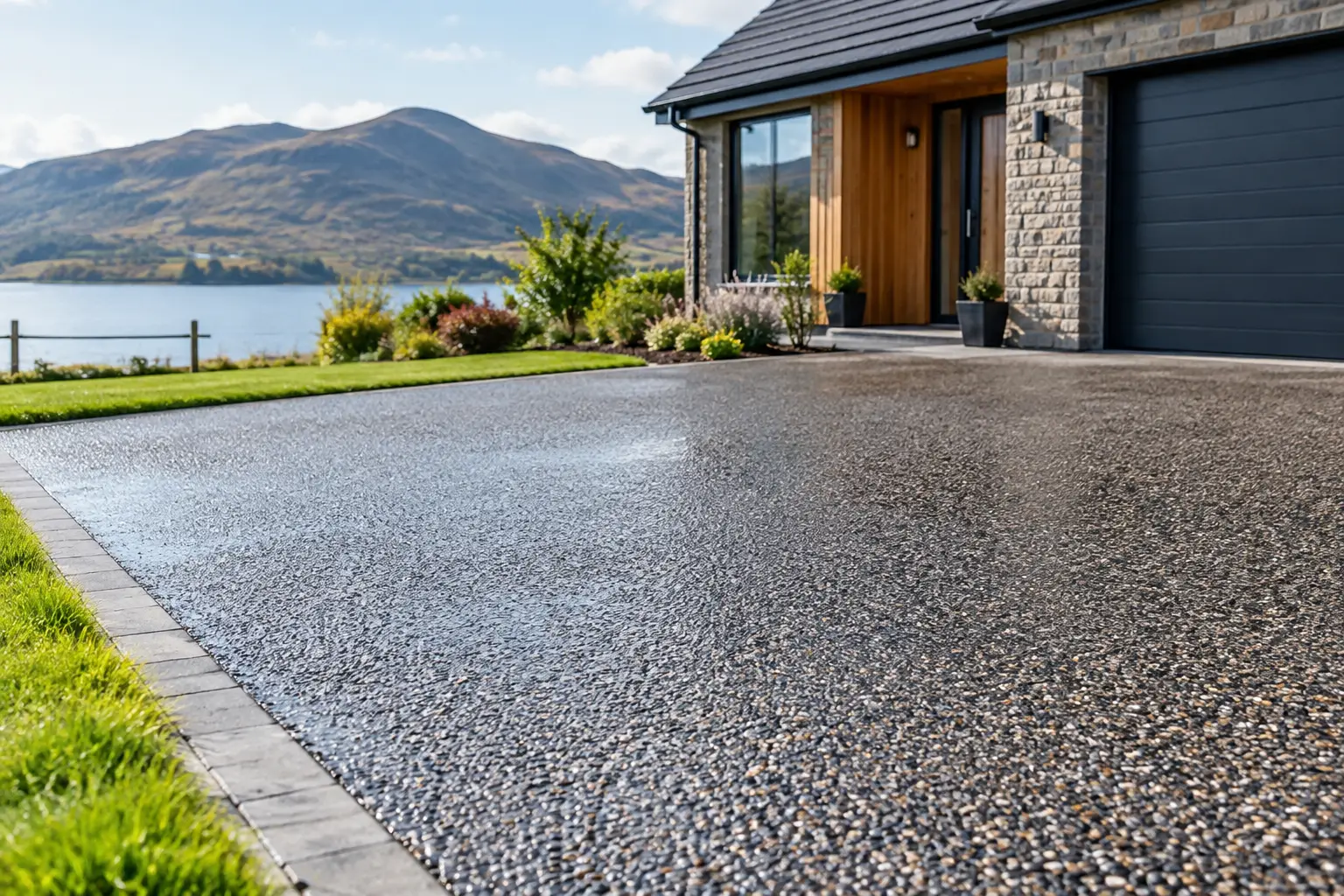
Resin-bound aggregate creates a smooth, decorative surface made from natural stone mixed with resin. It is often associated with driveways, but it can also work well for pathways, terraces and garden access routes. The finish is comfortable underfoot, easy to sweep and available in a range of aggregate blends.
A key advantage is its permeability when installed as a suitable resin-bound system over the right base. This allows rainwater to pass through the surface rather than pooling on top. That can be valuable in gardens where drainage is a concern.
Resin-bound surfacing costs more than loose gravel and needs professional installation to achieve an even, durable result. It is also worth considering how the area will be used. It suits clean, smooth paths very well, while a larger entertaining patio may offer better value in porcelain or natural stone.
Bark and wood chippings for beds and play spaces
Bark is not a permanent hard surface, but it is a useful low-effort finish for play areas, informal paths and spaces around planting. It suppresses weeds, holds moisture in the soil and creates a softer feel than stone. It is a particularly good choice where you want to keep a natural garden character without leaving bare soil exposed.
It will break down over time and need topping up, so it is not as long-lasting as paving or gravel. Keep it contained with edging, and avoid using it immediately beside doors where pieces can be carried indoors. For planted areas, though, it is often a more practical alternative to continually hoeing and weeding open ground.
Do not overlook drainage and edging
The most attractive surface can fail if water is allowed to sit beneath it. In Central Scotland, repeated rain and winter freezes place extra pressure on patios, paths and lawn areas. A professional installation should assess the ground levels, provide a stable sub-base and direct water away from the property.
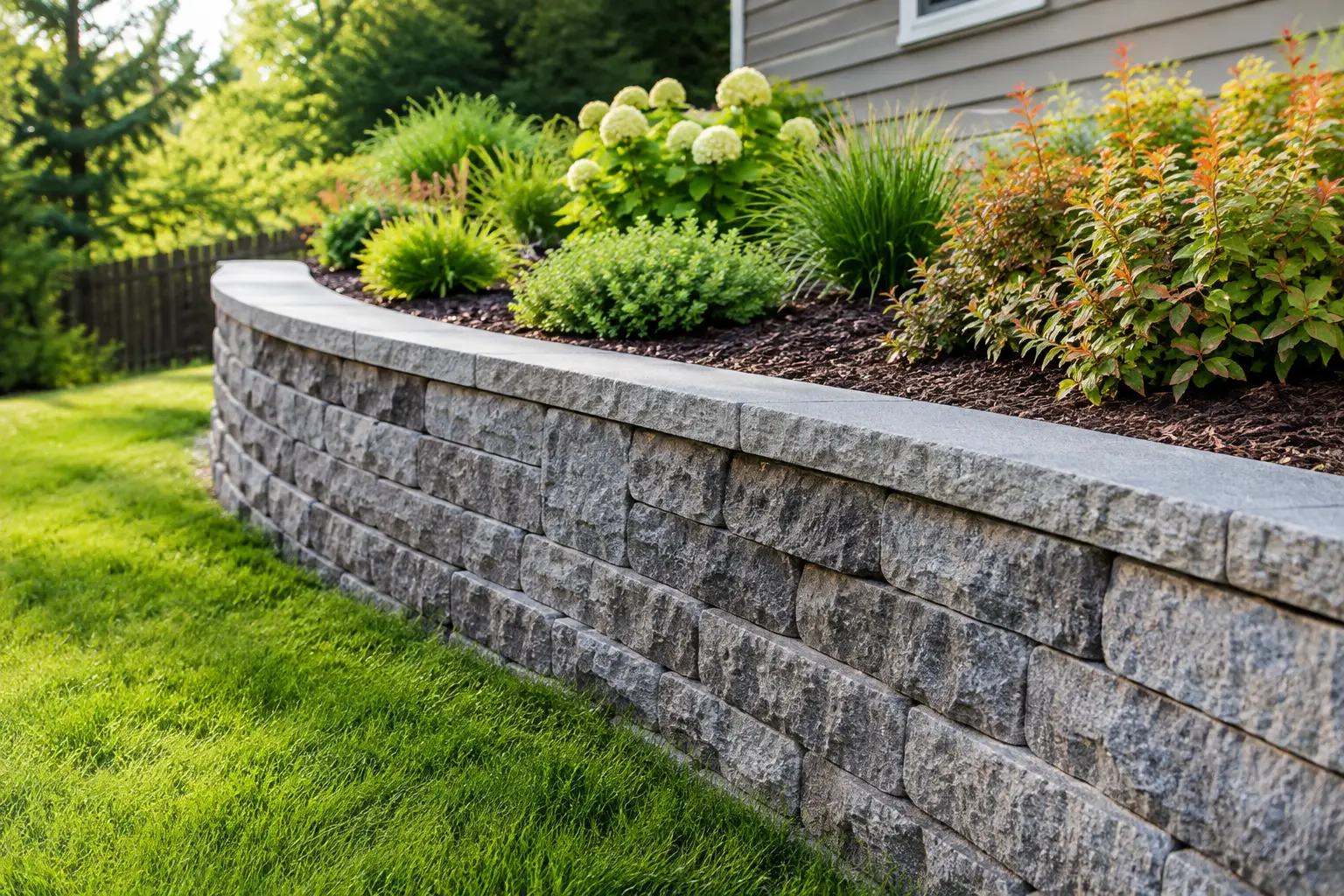
Edging is equally valuable. It keeps gravel in place, gives artificial grass a neat boundary and prevents paving from moving at the sides. These details are rarely the most noticeable part of a finished garden, but they are often what separates a surface that stays tidy for years from one that starts to look tired after a single season.
Choosing the right surface for your garden
Start with how you want to use the area rather than choosing a material from a photograph. Porcelain is an excellent choice for an easy-clean dining patio. Indian sandstone suits homeowners looking for a more traditional finish. Artificial grass is ideal where a green, usable lawn is wanted without mowing, while gravel and resin-bound aggregate offer practical solutions for paths and access.
Many of the best gardens use more than one surface. A porcelain patio beside the house, artificial grass in the main family area and gravel around planting beds can be both visually striking and easy to manage. Combining materials also helps define different areas without making the garden feel cluttered.
A site visit is the sensible next step if you are unsure what will suit your ground, budget or drainage conditions. Roberts Landscapes can assess the space, explain the practical options and provide a clear quotation for a garden surface that looks the part and leaves you with more time to enjoy it.