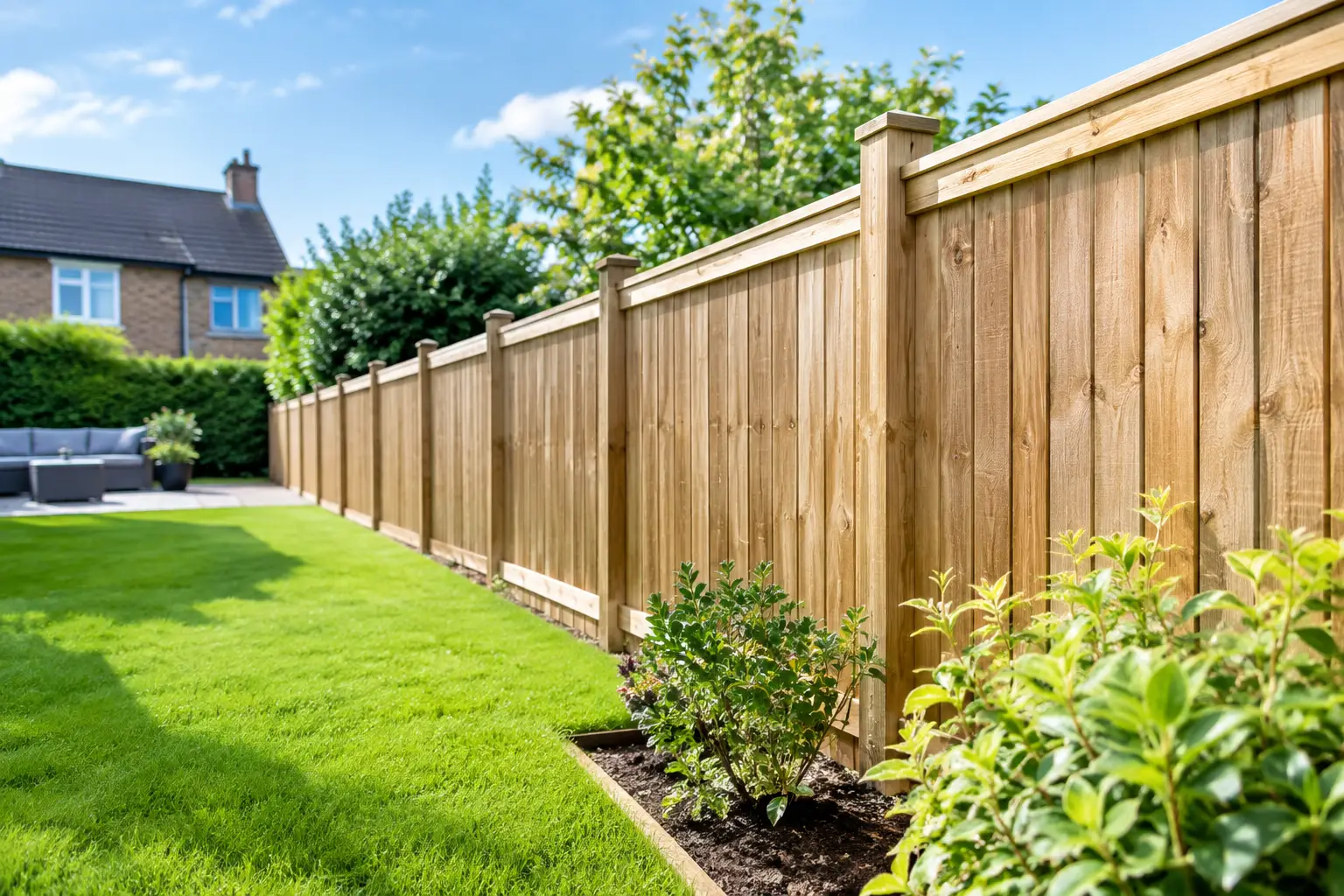
A garden fencing project Broxburn homeowners invest in should do more than mark a boundary. It should give the garden privacy where it is needed, stand up to Scottish weather and make the whole property look cared for from the moment you step outside. A poorly fitted fence can lean, rattle or rot far sooner than expected. A well-planned installation creates a secure, tidy backdrop for years.
For many homes, fencing is also the starting point for a wider garden improvement. Once old, mismatched panels and unstable posts are removed, it is much easier to picture a new patio, fresh turf, raised beds or a practical family garden. The key is choosing a design and construction method that suits the site rather than simply replacing like for like.
Starting a Garden Fencing Project in Broxburn
Broxburn gardens vary considerably. Some properties have exposed rear boundaries where wind puts constant pressure on panels. Others sit close to neighbouring homes, where screening and a clean finish matter most. Newer developments may have compact gardens with limited access, while older properties can have uneven ground, mature planting or established walls to work around.
These details affect the right fencing solution. A standard panel fence may be ideal for a sheltered, level garden, but it needs properly set posts and a solid base to remain straight. Where the ground slopes, stepped panels can produce a smart, practical line, while closeboard fencing can follow the contour more naturally. There is no single best option for every garden.
Before work begins, it is worth confirming the boundary position and discussing responsibility with the adjoining owner where appropriate. Existing title deeds, fence ownership markers and the direction of the supporting rails can all help, but assumptions are best avoided. Sorting this out early prevents unnecessary disruption once materials are on site.
Choose Fencing for Its Job, Not Just Its Look
The right fence usually balances privacy, strength, appearance and budget. Timber remains a popular choice because it is versatile, attractive and works well with most garden styles. It can be stained or painted later if you want to refresh the look, although pressure-treated timber is the sensible starting point for a long service life.
Traditional overlap panels offer a cost-effective screen for many gardens. They are familiar, practical and available in a range of heights. Their trade-off is that they can be more vulnerable in exposed locations if the panels and posts are not adequately supported.
Closeboard fencing is often the stronger option. Constructed from vertical boards fixed to horizontal rails, it has a more substantial feel and can be particularly suitable for long runs, awkward levels and boundaries exposed to wind. It generally costs more than basic panel fencing, but its durability can make it better value over time.
Decorative panels, such as horizontal slatted styles or contemporary screens, can transform a garden’s appearance. They work especially well around patios and seating areas, where the fence becomes part of the overall design. However, open slats do not provide full privacy, and a fashionable design should still be built with suitable posts, rails and fixings for the conditions.
Posts and Foundations Make the Difference
Fence panels attract the attention, but the posts and foundations do the hard work. If posts move, the entire fence will move with them. This is why setting them correctly below ground level and securing them in a suitable concrete footing is so important.
Timber posts give a traditional, consistent appearance, particularly when paired with timber panels. They should be pressure-treated and protected from prolonged contact with wet ground wherever possible. Concrete posts are highly durable and offer excellent resistance to rot, making them a practical choice for boundaries that receive a lot of weather. They can look more utilitarian, although gravel boards and well-chosen panels help create a neat result.
Composite posts and fencing systems are another option for homeowners seeking low maintenance. They do not require staining or regular preservative treatment, and they can offer a clean, modern finish. The initial outlay is typically higher than timber, however, so they are best considered where low upkeep and a contemporary appearance are priorities.
Gravel boards are a small detail with a major benefit. Positioned at the bottom of a fence, they prevent timber panels from sitting directly on damp soil. This reduces the risk of rot, protects the lower edge from strimmer damage and helps keep the installation looking sharper. Concrete gravel boards are particularly hard-wearing, while timber options can create a softer, more traditional finish.
Plan for Height, Privacy and Light
A taller fence can make a garden feel private and secure, but more height is not always better. It may block light from your own garden, cast shade over a neighbour’s space or create a closed-in feel in a compact plot. As a general guide, boundary fences around two metres are common, but planning restrictions, title conditions and local considerations can apply, especially near roads or where a property is listed or in a conservation area.
The most effective design often uses full-height screening only where it delivers a benefit. For example, a solid section can shield a seating area from overlooking windows, while lower or more open fencing elsewhere keeps the garden bright. Trellis can add extra visual height and support climbing plants, but it should not be treated as a shortcut around planning rules.
Think about gates at the same time. A side gate needs to be wide enough for bins, bikes, lawn equipment and future garden work. It should also be hung from a substantial post and have reliable hinges, latch hardware and clearance from the ground. A gate that drags after the first wet winter is usually a sign that the support has been underestimated.
Prepare the Site Before Installation
Good fencing work starts with sensible preparation. Old panels, posts, roots, rubble and overgrown hedges can all affect access and alignment. Removing tired fencing often reveals uneven ground or damaged edging that was previously hidden, so allowing for some site preparation is realistic rather than pessimistic.
For a fence line beside trees or large hedges, roots need careful consideration. Cutting through major roots can affect the plant’s health and may make it difficult to dig post holes safely. In some cases, adjusting the fence position slightly, using a different post layout or carrying out hedge maintenance first is the better route.
Drainage matters too. Constantly saturated ground can shorten the life of timber and make posts less stable if installation is rushed. A professional assessment can identify whether minor groundworks, improved drainage or a different fencing specification would give a more dependable outcome.
Make the Fence Part of a Better Garden
A new boundary creates an opportunity to improve the areas around it. Fresh bark, decorative stone or planting along the fence base can soften its appearance and reduce mud splashing onto the panels. Climbing plants can add colour and character, but leave enough room for air to circulate and avoid allowing dense growth to hold moisture against timber.
If you are planning a patio, lawn replacement or driveway work, coordinating the jobs can save time and prevent finished surfaces being disturbed later. Roberts Landscapes can combine fencing with landscaping, paving, turfing and garden clearance, giving homeowners one experienced team to manage the outdoor transformation.
A quality fence does not need constant attention, but it should be checked from time to time. Clear leaves and soil from its base, tighten loose fixings promptly and look for early signs of movement after severe weather. Timber fencing benefits from an appropriate treatment schedule, depending on the product used and the finish you want.
The best time to plan fencing is before a failing boundary becomes an urgent problem. Measure the space, consider how you use the garden and choose materials that will suit both the property and the conditions. With proper groundwork and careful installation, your new fence can provide the privacy, structure and polished finish that makes the rest of the garden easier to enjoy.